Frequently Asked Questions
Handmade designer items can behave differently from traditional assets. This page explains how to think about value drivers, due diligence, liquidity, and the role of cookies and consent on our website.
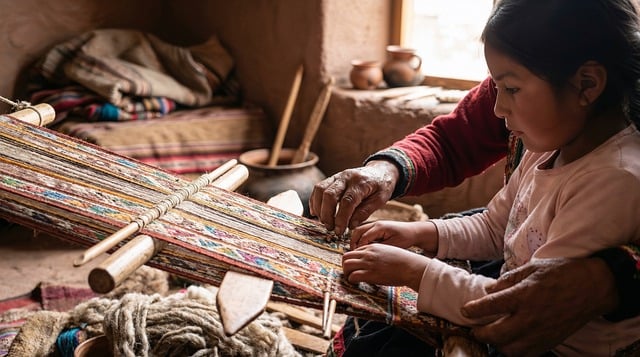
Designed for clarity
We explain concepts like provenance, condition grading, and liquidity in practical terms so you can ask better questions before allocating capital.
Investing in physical handcrafted markets involves significant uncertainty. Review the disclaimer near the end of this page and consider suitability before acting.
Core questions
These answers describe what Lost Kiwi provides and what it does not provide. We focus on information quality, decision support, and transparent risk context. If you are comparing opportunities, you will see repeated references to documentation, care requirements, and expected resale pathways because those elements often influence real outcomes.
Is Lost Kiwi a marketplace where I can buy items directly?
Lost Kiwi is an educational and research-led platform. We help you understand how handmade designer items and artisanal goods may be evaluated as value-based assets, including the common risks and practical constraints. Any sourcing decisions you make should involve your own due diligence, including verifying authenticity and reviewing seller documentation.
Do you guarantee returns or claim predictable performance?
No. Physical collectible markets can be volatile and illiquid. Pricing can vary significantly by maker, condition, documentation quality, and shifting demand. Our content is designed to be factual and risk-aware, and it does not include guarantees.
What categories do you focus on?
We focus on handmade designer items and handcrafted artisanal goods where craftsmanship and scarcity can influence value. Examples include jewelry, leather bags, ceramics, textiles, and fashion accessories. Each category has different care requirements, resale channels, and liquidity profiles, which we explain in context.
Why do I need to register?
Registration supports access control and allows you to view member-only collections and structured updates. We keep registration minimal: full name, email, and password. We do not request a phone number during registration.
Investing basics
Handmade markets often behave differently from public markets because transactions are not standardized. Small differences in materials, maker signatures, and condition can create large pricing differences. This section explains common terms and the practical realities that shape outcomes.
What drives value in handcrafted designer pieces?
Value is typically influenced by a combination of craftsmanship quality, scarcity (limited runs, discontinued lines), maker reputation, documented provenance, and buyer demand. Practical factors also matter: durability, repairability, and the availability of comparable sales that make pricing more defensible.
How liquid are handmade designer investments?
Liquidity varies. Some well-known makers may have active secondary markets, while niche artisans can be harder to resell quickly. Time-to-sale can depend on seasonality, platform fees, shipping requirements, and how well you can document authenticity and condition.
Are there ongoing costs besides the purchase price?
Yes. Depending on the item type, you may need protective storage, professional cleaning, restoration, or insurance. Shipping and authentication services can also add friction and cost. Lost Kiwi discusses these factors so your evaluation reflects real-world ownership.
Is this suitable for short-term trading?
Many handcrafted markets are not optimized for short holding periods because transaction costs, time-to-sale, and condition risks can be meaningful. If you are considering short timelines, pay close attention to fees, return policies, and the ability to document the item thoroughly.
Due diligence and authenticity
Because items are physical and often unique, verification is a core part of risk management. A well-documented piece can be easier to resell and easier to insure. These questions highlight what to check, what to request, and why it matters.
What documentation should I look for?
Helpful documentation can include maker-issued receipts, certificates, workshop invoices, material descriptions, edition or run details, and high-resolution photos showing maker marks or signatures. For textiles and leather, detailed descriptions of materials and care instructions can support condition expectations over time.
How do I evaluate condition consistently?
Start with a simple framework: structural integrity, surface wear, repairs or alterations, odor or storage damage, and completeness (dust bags, tags, packaging, and maker paperwork where applicable). Request close-up images under neutral light, and confirm return policies when possible.
How do fakes and misrepresentation typically happen?
Issues can include incorrect maker attribution, altered signatures, swapped components, or incomplete disclosure of repairs. In handcrafted markets, honest variation can be common, so the goal is to build confidence through documentation, consistent seller history, and item-level verification.
Do you provide authentication services?
We provide educational checklists and research context. We do not authenticate items on your behalf. If authentication is needed, use reputable third-party services or maker-confirmation processes appropriate for the specific category.
Account and security
We aim for minimal data collection and clear control. Registration supports access to member-only materials. This section explains what we ask for, why we ask for it, and what you can do to protect your account.
What information do you collect during registration?
Registration uses only your full name, email address, and password to create and secure your account. This data is used to operate your account and provide access to member-only content. See the privacy documentation for details on retention and your rights.
What makes a strong password for this site?
Use a unique password that you do not reuse elsewhere. A strong password is long, hard to guess, and ideally stored in a password manager. Avoid names, dates, or common patterns. This reduces the impact of credential reuse from unrelated breaches.
Can I delete my account and data?
You can request deletion by contacting us using the address and email listed on the privacy page. We will process deletion requests consistent with legal requirements and retention policies described in the privacy documentation.
Ready to access member-only materials?
Create your account in under a minute with minimal information.
Investment risk disclaimer
The information on this website is for informational and educational purposes only and does not constitute financial, legal, or investment advice. Investing involves risk, including the possible loss of capital.
If you are unsure about suitability, consider seeking independent professional guidance before making any investment decisions.